What kind of insurance does an owner-operator need in Farmers Branch?
It depends on one question first: are you leased to a motor carrier, or running under your own MC authority?
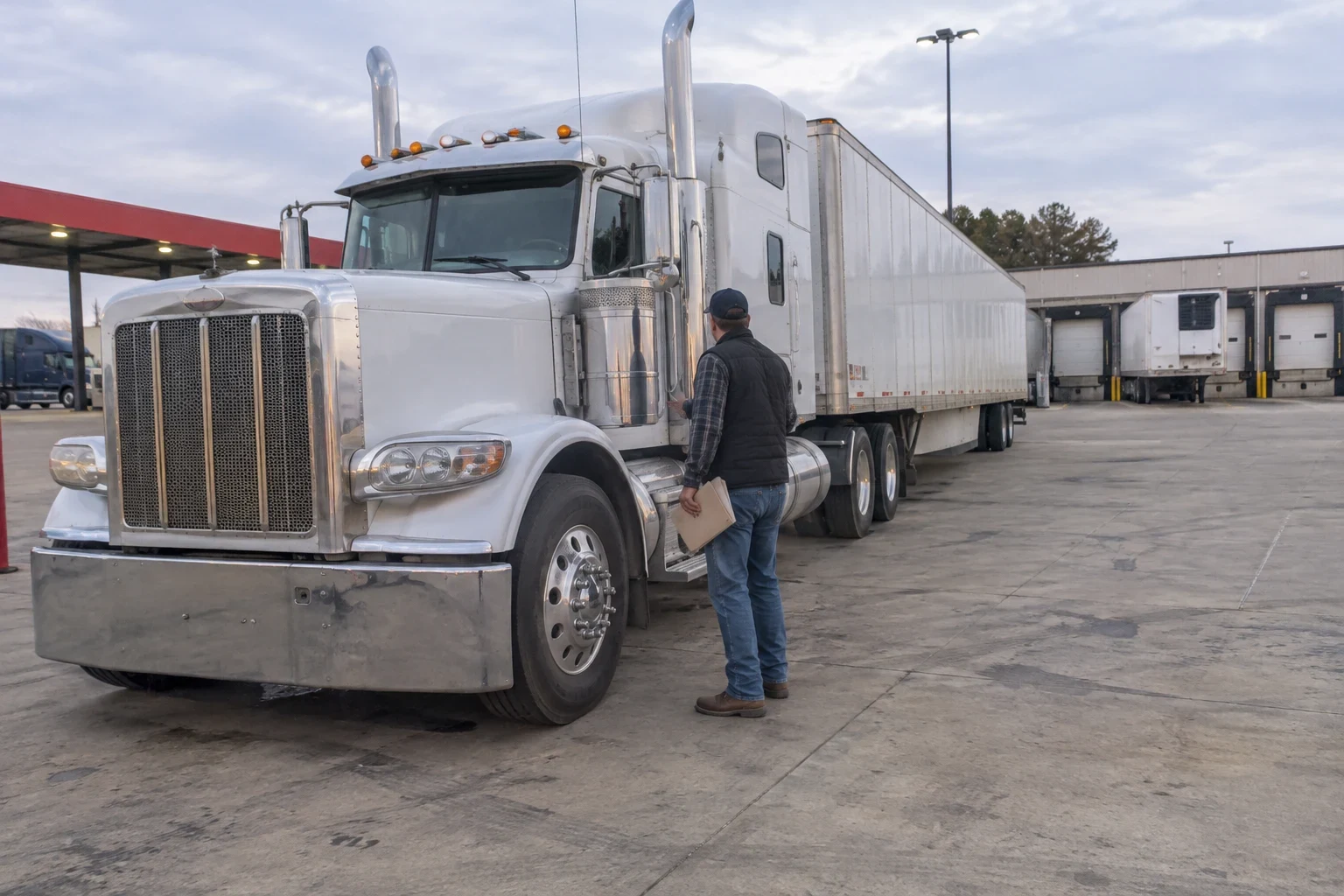
What kind of insurance does an owner-operator need?
An owner-operator needs coverage that matches how they run. Leased to a carrier, you usually need non-trucking liability and physical damage. Under your own authority, you need primary auto liability with the federal filing, plus cargo coverage and physical damage. Trailer interchange is added when you pull trailers you don't own. Talk it through at (972) 736-5773.
Are you leased on or running your own authority?
This is the first thing we ask. It decides who carries the big liability policy and what's left for you to buy.
If you're leased to a motor carrier, the carrier's primary auto liability usually covers you while you're under dispatch. Read your lease agreement, though. Some carriers also cover cargo. Some charge it back to you. Some cover nothing but the liability.
If you have your own DOT number and MC authority, you are the motor carrier. Every policy is yours to carry, and the filings that keep your authority active go in your name.
What a leased owner-operator usually carries
When you're leased on, the gaps are the times you're not working for the carrier and the truck itself. Most leases spell out what you must carry before you can haul a load.
- Non-trucking liability (bobtail): covers you when you drive the truck off dispatch, like heading to the shop after a run. The carrier's policy usually doesn't respond then.
- Physical damage: pays to repair or replace your truck after a wreck, fire, theft or hail. If the truck is financed, the lender will require it.
- Cargo coverage, only if your lease puts the cargo on you.
- Trailer interchange, if you pull a trailer you don't own under an interchange agreement and your lease doesn't cover it.
What you need under your own MC authority
Once you run your own authority, primary auto liability comes first. It pays for injuries and damage you cause to other people. Your insurer files proof of it with FMCSA so your authority can go active and stay active. If you haul only inside Texas, the state has its own filing through TxDMV, and some operations need both.
Brokers and shippers will also want to see motor truck cargo insurance before they hand you a load. Many ask for limits above the federal minimum. Check what your regular brokers require before you pick limits, so you don't lose a load over a certificate of insurance that comes up short.
Add physical damage for the truck and trailer you own. If you swap trailers with other carriers, add trailer interchange too. A lot of new-authority operators bundle these into one commercial trucking insurance program so renewals land on one date.
What moves your premium
We can't give you a number without your details, but we can tell you what the underwriters look at. Knowing this up front helps you avoid surprises when the quote comes back.
- Your driving record and how many years you've held a CDL
- How long your authority has been active, since brand-new authorities are priced higher
- What you haul and how far you run from where the truck is kept
- The value of your truck and trailer
- Where the truck is garaged, and North Texas traffic counts here
- Loss history and any gaps in past coverage
How we set it up with you
We're a small office. The person who quotes your coverage is the same person who sends your filings, issues your certificates and answers when a broker calls asking for one. You don't start over with someone new each time.
We'll read your lease or your broker requirements with you, match the policies to how you actually run, and tell you plainly if you're paying for something you don't need. Meetings happen at our office, by phone or by video, whichever works around your loads.
More owner-operator insurance questions
Is bobtail insurance the same as non-trucking liability?
People use the names loosely, but they aren't always the same. Non-trucking liability covers you off dispatch with or without a trailer hooked. A true bobtail policy may only cover you when no trailer is attached, so read the wording.
Do I need my own cargo coverage if I'm leased on?
Only if your lease puts the cargo on you. Some carriers cover it and some pass the cost or the risk to the owner-operator, so check the lease before you buy anything.
How fast can I get a certificate of insurance for a broker?
Once your policy is in force, we issue certificates as brokers ask for them. Call us with the broker's details and we'll get it out to them.
What happens to my authority if my liability lapses?
Your insurer notifies FMCSA when the policy cancels, and your authority can be revoked. Keeping the same person on your account helps catch renewal dates before they slip.
Find out what your operation needs
Call and tell us how you run: leased on or under your own authority, what you haul and what you drive. We'll walk through the coverage that fits and work up your quote by phone.