ServicesMotor Truck Cargo Insurance
Motor Truck Cargo Insurance in Farmers Branch
If freight is damaged or stolen while it is in your care, the shipper looks to you. We set up motor truck cargo insurance that matches what you actually haul, meets your broker contracts and keeps the same person handling your file from quote to claim.
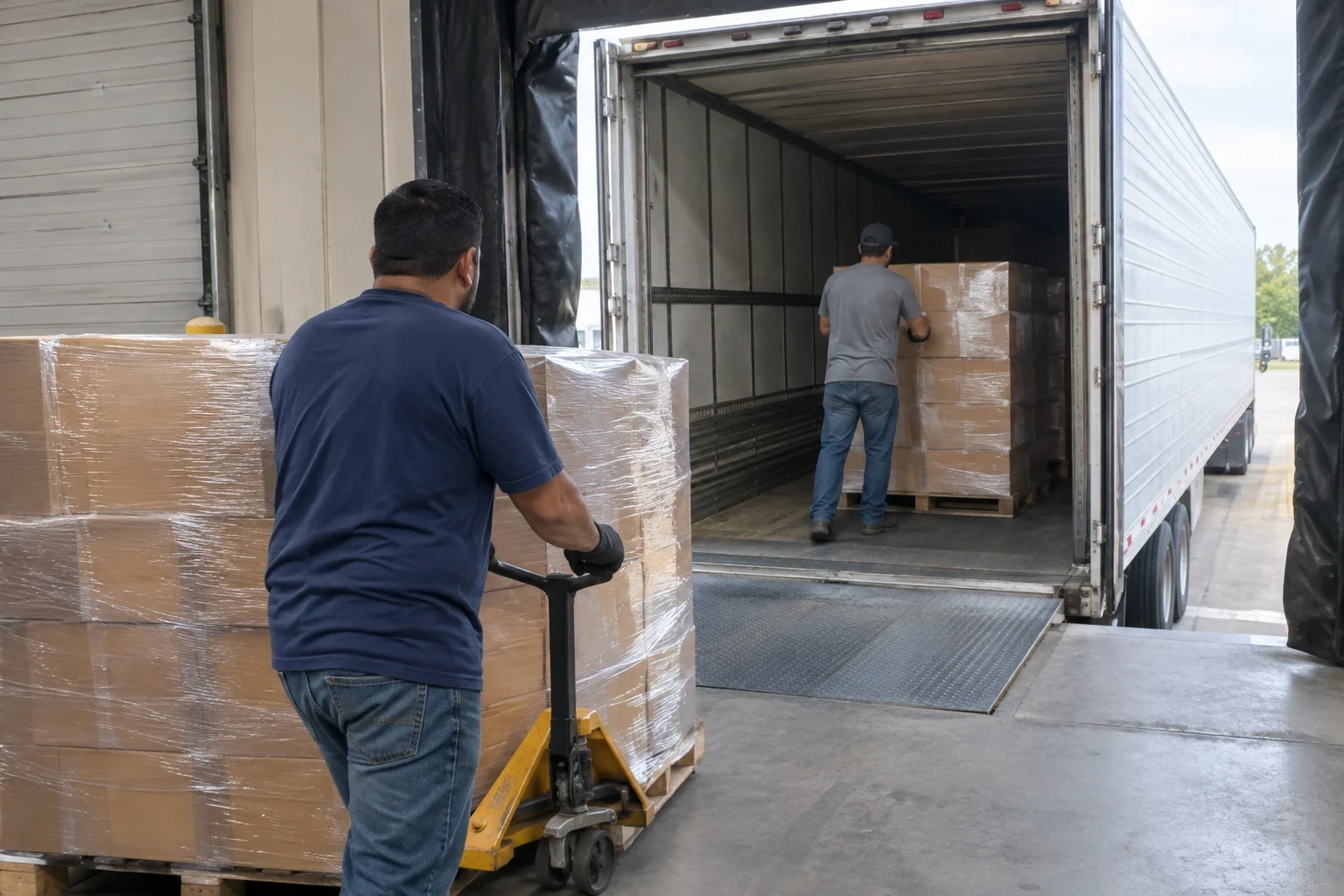
What cargo coverage does for your operation
Motor truck cargo insurance pays for the freight on your truck when it is damaged, destroyed or stolen during a haul. Your auto liability covers the other driver and their property. Your physical damage covers your truck. Neither one pays for the load. Cargo coverage fills that gap.
Most brokers and shippers will not tender a load without it. They want a certificate of insurance showing a set limit, and some want specific wording or added insureds. The real trouble shows up in the fine print: commodity exclusions, unattended vehicle rules and reefer breakdown limits. A policy can look fine on paper and still leave a claim unpaid.
We are a small office. The person who asks about your freight is the same one who reads your policy, sends your certificates and calls you back when a claim comes in. You do not get passed around.
What goes into your cargo coverage
Limits matched to your broker agreements
Before we settle on a number, we read the agreements you sign and look at the loads you run. The limit should cover your most valuable realistic haul. Set it short and brokers pass you over. Set it high and you pay for coverage you never touch.
Your freight checked against the commodity list
Each cargo form spells out what it covers and what it leaves off. We hold your freight up against that list one item at a time, so electronics, alcohol or other high-theft goods do not drop out without anyone noticing.
Reefer breakdown on its own line
Spoilage from a refrigeration failure is often missing unless someone adds it. If you pull a reefer, we ask about the unit and show that cost as a separate piece of your quote.
Plain rules for parked trucks
A lot of cargo forms cut back theft coverage when nobody is with the truck. We explain the parking and locking terms up front, before your first overnight stop.
Certificates for each new broker
Every new broker wants its own certificate. One phone call and the person who already knows your file issues it with the correct holder and wording.
When it's time to recheck your cargo policy
Your certificate got rejected
Maybe the limit came up short, a commodity was left off, or the language did not line up with the broker's contract. Usually that means nobody looked at your actual agreements when the policy was written.
Your freight has changed
You moved from dry van general freight into produce, or started hauling machinery on a flatbed. A policy bought for the old freight may not touch the new commodity.
You don't know what's excluded
Plenty of carriers learn about their exclusions the day a claim gets denied. Going over yours now takes one short phone conversation.
Your reefer works hard all summer
North Texas heat puts real strain on refrigeration units. Without breakdown coverage, one failed unit can leave you paying for a whole spoiled load.
Your deductible was set for a different year
Maybe you chose a high deductible early on to keep premium down. As your loads grow in value, that number can start to bite. Check it against what you haul today.
From first call to bound policy
- 1
A conversation about your freight
We meet by phone, by video or in person at our office. Expect questions about your commodities, your lanes, typical load values and the brokers you run for. Keep your DOT number and MC authority close by.
- 2
Collecting the documents
We will ask for broker contracts, your current policy, loss runs and driver information. If a piece is missing, we say which one and what it is for.
- 3
Shopping the cargo markets
Your details go to the markets that write cargo for operations like yours. You get the options next to each other, with limits, deductibles, exclusions and premium explained in everyday words.
- 4
Binding and sending certificates
You choose, we bind, and certificates go out to your brokers. After that, the same person handles your renewals, policy changes and any claim.
What drives your cargo premium
Underwriters price cargo on two things: the odds of a claim and the size of that claim if it happens. We point out which factors are pushing your number up and which ones you have some control over. You get your quote by phone once we understand your operation.
- The commodities on your trailer
- Dry general freight is cheaper to cover than electronics, refrigerated food or other goods that spoil easily or draw thieves. Each commodity gets rated separately.
- Limit and deductible choices
- Raising the limit raises the premium. Raising the deductible brings premium down, but more of every loss comes out of your pocket.
- Your claims record
- Past cargo losses carry a lot of weight with underwriters. A few clean years in a row make a real difference.
- Trailer type and add-ons
- Adding reefer breakdown, meeting tarping rules on a flatbed, and the kind of trailer you pull all shift the risk. Each one shows up in the price.
- Time under your own authority
- A newer motor carrier usually starts at a higher premium. As your record grows, that tends to come down.
Questions about cargo coverage
Something not covered here? (972) 736-5773
Does the law make me carry motor truck cargo insurance?
Federal rules generally do not require general freight carriers to file proof of cargo coverage. Brokers and shippers are another story. Nearly all of them want to see it on your certificate before they give you freight, so most carriers treat it as required.
How high should my cargo limit be?
Look at your broker contracts first, because many of them name a minimum. Then think about the priciest load you can realistically expect to haul. We help you settle on a limit that covers that load without paying for a lot of room you will never use.
If my reefer unit quits, will cargo coverage pay for the spoiled load?
Only when reefer breakdown coverage has been added. Plenty of standard cargo forms do not include it. If you haul refrigerated freight, have us check for it before anything else.
Am I covered if my load is stolen at a truck stop?
That comes down to the policy's unattended vehicle terms. Some forms require the truck locked with an alarm on, and some cut coverage during certain hours or at certain locations. We go through those terms with you so you know what is expected when you park.
I run under another company's authority. Is the freight already covered, or is that on me?
Your lease agreement decides that. Some motor carriers insure the freight on every truck running under them, and others write the cargo responsibility over to the owner-operator. Bring the lease to our office or go over it with us on a video call, and we will point to the section that settles it. Coverage for the time you are off dispatch is a separate matter, covered on our Non-Trucking Liability (Bobtail) Insurance page.
Line up cargo coverage that fits your freight
Give us a rundown of your commodities and the brokers you work with. We explain the choices in everyday terms, and the same person keeps handling your file once coverage is in place.