ServicesCommercial Trucking Insurance
Commercial Trucking Insurance in Farmers Branch, TX
We put together the coverage your operation needs to run under its own DOT number: liability, physical damage, cargo and the filings that keep your MC authority active. The same small team quotes it, sets it up and answers your calls after.
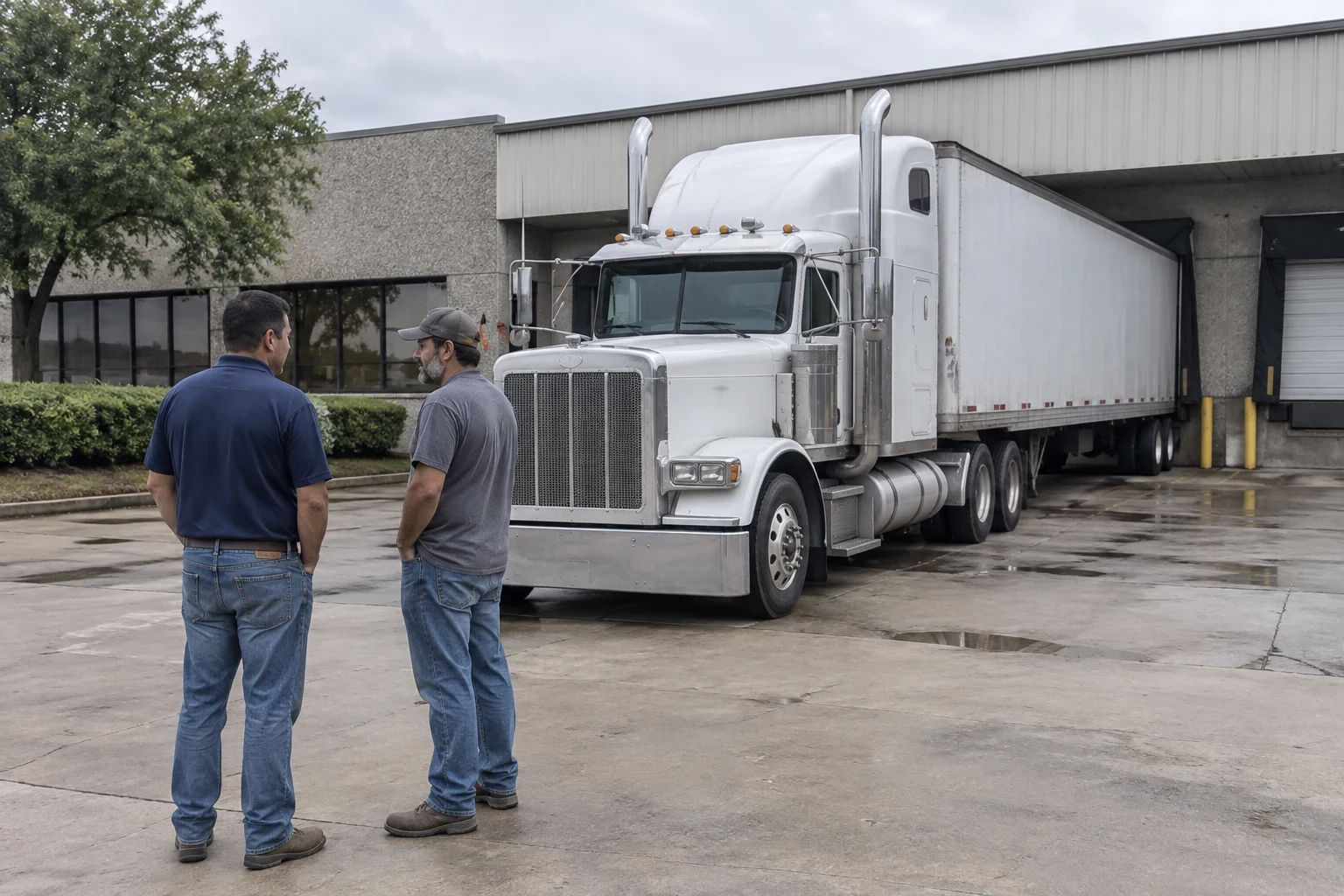
What commercial trucking insurance is
Commercial trucking insurance is not one policy. It is a group of coverages that let a motor carrier haul legally, keep brokers and shippers happy, and stay in business after a wreck. Most carriers need primary auto liability, physical damage on the truck and trailer, and motor truck cargo. Some also need trailer interchange or non-trucking liability, depending on how they run.
The tricky part is getting the pieces to fit together. A cargo policy that leaves out what you haul, or a liability policy with the wrong radius, can look fine on paper until a claim gets turned down. We walk through every part with you, so there are no gaps you find out about after a loss.
We are a small office. The person who answers your first call builds the quote, sends your filings and handles your changes through the year. Nobody hands you off to someone new.
What we set up for you
- Primary auto liability
- The FMCSA requires this before your authority goes active. It pays for injury and damage you cause to other people. We set the limit to meet federal rules and what your brokers expect.
- Physical damage
- Protects your own truck and trailer against collision, fire, theft and similar losses. Each unit is listed by VIN with a stated value that matches what it is really worth.
- Motor truck cargo
- Covers the load you are hauling if it gets stolen, wrecked or spoiled on the way. We check the commodity list and exclusions against the freight you actually move, including reefer breakdown if you run cold.
- Filings with the FMCSA and Texas
- We send the BMC-91X for interstate authority and the Texas filing for intrastate work. Your authority only stays active if these are right and on file.
- Certificates of insurance
- Most brokers will not hand you a load until they have your certificate in hand. We send those out and add new certificate holders whenever you start with a new broker or shipper.
- Add-on coverage when it fits
- Trailer interchange if you pull trailers you do not own, and bobtail coverage if you are leased to another carrier. We bring these up only when your setup needs them.
When your coverage needs a fresh look
You are starting your own authority
Your MC number stays inactive until liability is filed. If you are leaving a lease to run under your own DOT number, line up a full package first.
A broker asked for higher limits
Some brokers want more cargo or liability than you carry today. If a limit is costing you loads, give us a call.
Your renewal jumped
A big increase can come from a ticket, a claim or an insurance company backing away from your kind of trucking. We can find out why and see what else is out there.
You added a truck or driver
Every unit and every driver has to be listed. An unlisted driver in a wreck is one of the most common reasons a claim goes bad.
Your lanes or freight changed
Moving from local work around Carrollton and Irving to over-the-road, or switching what you haul, can mean your radius or cargo form no longer fits.
What moves your premium
Two carriers with similar trucks can get very different numbers. Underwriters price the risk they see on paper. Once you know what they look at, the premium makes more sense and you can see where you have some control.
Driver records and experience
Underwriters weigh years of CDL experience and recent tickets or accidents on every driver. A single driver with a rough MVR can raise the cost of the whole policy.
Time under authority and loss history
New authorities usually pay more until they have a track record. A few years of clean loss runs help a lot at renewal.
Where you run and what you pull
Distance matters. A truck that stays within a short radius is cheaper to insure than one running coast to coast, and steel coils or electronics price higher than bagged mulch or empty pallets.
Truck values and deductibles
Newer, pricier equipment raises the physical damage cost. Picking a bigger deductible brings it down, but only choose an amount you could pay out of pocket after a wreck.
Limits you choose
Higher liability and cargo limits cost more. We set them to what your brokers and contracts really ask for, not more.
How it works with us
- 1
We start with a talk
Pick what works for you: a phone call, a video chat or a visit to our office. You walk us through your operation, what you haul, where you run and who drives.
- 2
We gather the details
We ask for your DOT and MC numbers, driver licenses, VINs and loss runs from any past insurer. If you are just starting out, we work with what you have.
- 3
We shop and explain the quote
Your information goes out to several carriers in our market, and we lay their offers side by side. We go over each coverage, limit and deductible in plain words so you know what you are picking.
- 4
Binding, filings and certificates
Once you decide, we bind the policy, send the federal and state filings and issue your first certificates. After that, the same person handles your changes, new drivers and renewal.
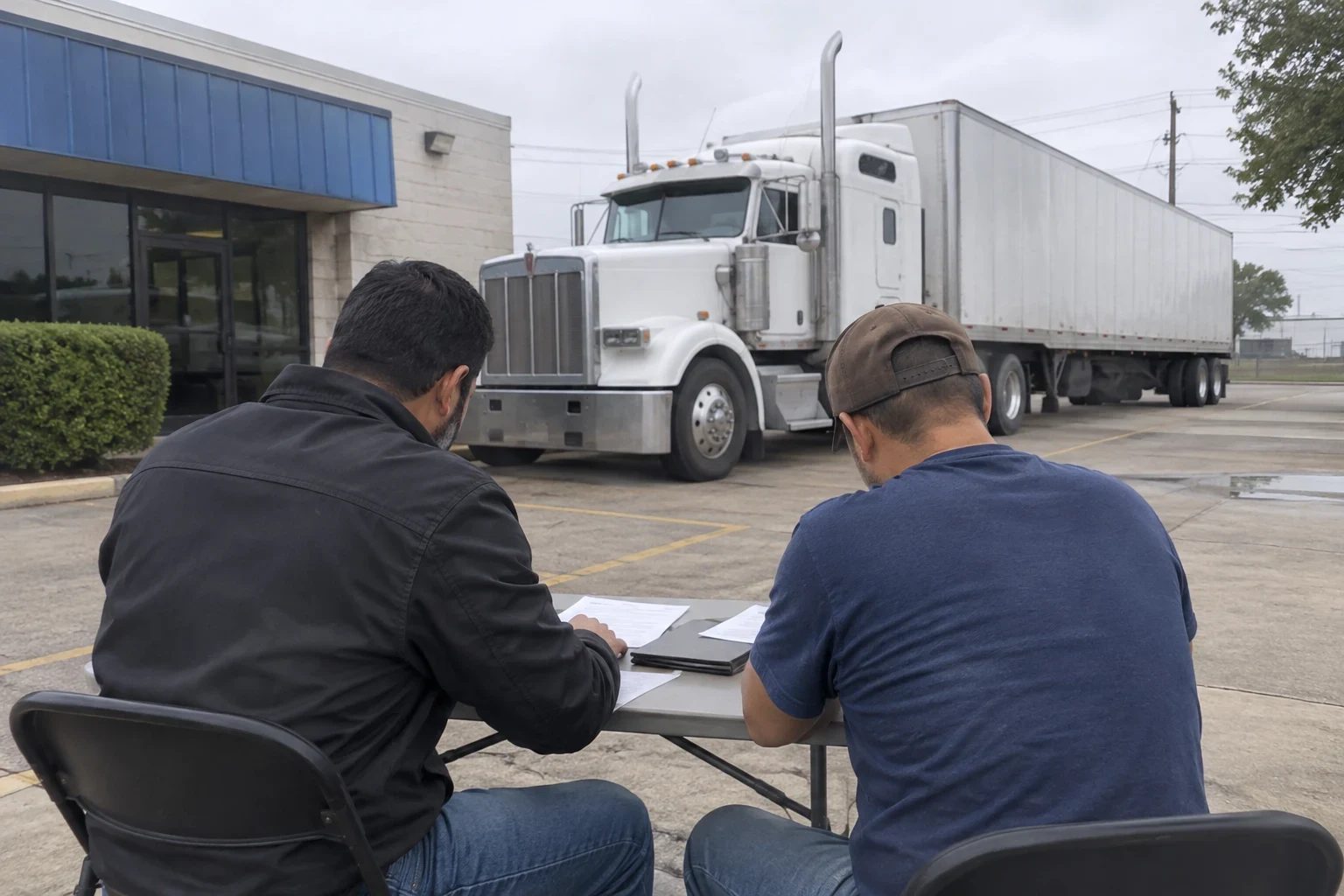
Questions about commercial trucking insurance
What do you need from me to put together a quote?
Bring your DOT number and MC number, if you have them yet. We also need each driver's name, date of birth and license details, plus the VIN and value of every truck and trailer. Loss runs from your last insurer are a big help. Then tell us what you haul and how far, and we can get to work.
Do I need this if I am leased onto another carrier?
Usually not the full package. The carrier you are leased to normally carries primary liability while you run under their dispatch. You may still want physical damage on your truck and non-trucking liability for off-dispatch time. Send us your lease and we will tell you what it leaves on your side.
How do the filings work?
Once the policy is bound, the insurance company files proof of coverage with the FMCSA, and with Texas if you haul intrastate. Your authority stays inactive until that filing posts. We handle the paperwork and keep checking until it shows up.
I just bought another truck. How do I get it on my policy?
Call us with the VIN and what you paid for it before it takes a load. The same goes for a new hire: we need their license details first. We get the unit or driver listed and send updated certificates to any broker that needs one.
Why did my premium go up when I had no claims?
Rates can move for reasons that have nothing to do with you, like an insurance company pulling back from your type of trucking. A new driver, a ticket or a longer radius can also push it up. We will go over the renewal with you and shop it if that looks worth doing.
Get your trucks covered the right way
Tell us how your operation runs and we will build a quote that fits it. We work with carriers in Farmers Branch, Addison, Coppell and the rest of the area by phone, video or at our office.