ServicesNon-Trucking Liability (Bobtail)
Non-Trucking Liability (Bobtail) Insurance in Farmers Branch
When you're leased on and the carrier's liability covers you under dispatch, someone still has to cover the truck when you're off the clock. We set up non-trucking liability that fits your lease, and the same person handles your file from the first call to renewal.
When non-trucking liability is the right policy
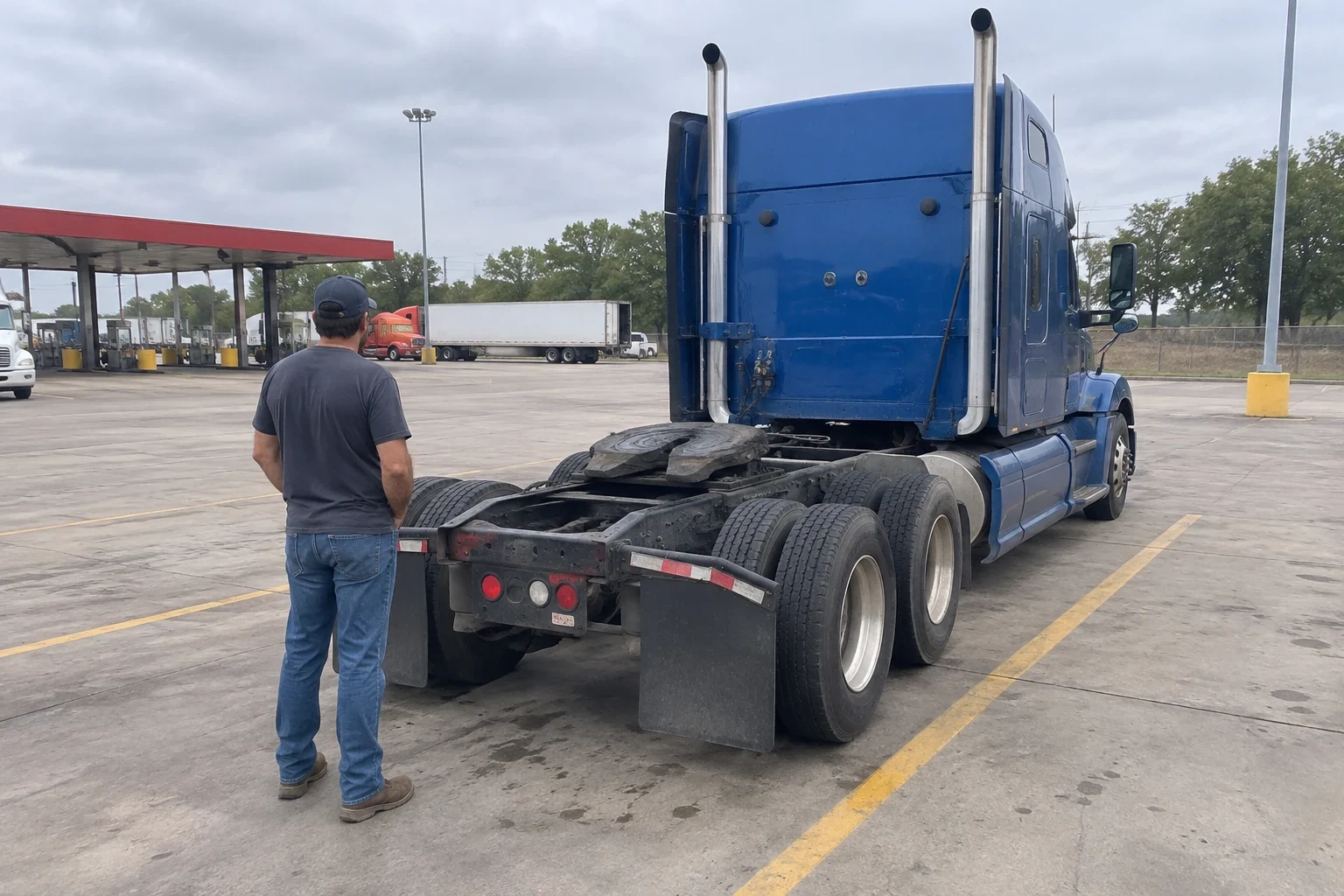
If you're an owner-operator leased onto a motor carrier, their liability policy generally protects you while you're under dispatch. Once you're done working for them, that protection usually ends. Non-trucking liability, which a lot of drivers call bobtail coverage, handles the liability side when the truck moves for reasons that aren't the carrier's business. Picture the drive back after you drop a load, or a run to grab dinner in the tractor.
Nearly every lease lists it as a requirement, and the carrier won't put you on a load until they have your certificate of insurance on file. If you haul under your own DOT number and MC authority, this is the wrong policy. You need primary auto liability insurance, and we can cover that on the same call.
Our office is small on purpose. One person reads your lease, builds the policy and keeps your file after that. You don't get passed around or have to explain your setup twice.
What we handle for you
- Reading your lease
- We go through the insurance section of your motor carrier's lease: the required limit, the names that have to appear on the certificate, and any specific wording. Your quote is built around those terms.
- Quotes from more than one market
- We check with several companies that write this line and explain what each option includes and leaves out. The choice is yours. We won't steer you toward the priciest premium.
- Certificate of insurance
- After binding, we send the carrier's safety department a certificate that names them exactly as the lease spells out. If they come back asking for a fix, you reach the same person who wrote the policy.
- Plain talk on the gaps
- This policy doesn't pay for damage to your truck, and it doesn't touch cargo. We point out those holes before you buy, so you can decide if physical damage insurance makes sense for you.
- Changes and renewals
- A different tractor, a new lease or a move to another carrier all mean updates. We change the policy and paperwork quickly so your truck isn't parked while a certificate catches up.
Signs you need to sort this out
You're signing a new lease
Carrier leases almost always require this coverage. Line it up before your start date so your first load isn't held up.
Your carrier asked for a new certificate
When safety calls about a certificate that's missing, expired or naming the wrong party, the policy or the paperwork has to be fixed right away.
You keep the tractor between runs
Taking the rig to your overnight or weekend parking spot puts some of your week outside dispatch. Those miles are exactly what this policy is built for.
You can't say where coverage switches
Lots of drivers aren't sure when the carrier's policy stops and theirs starts. Better to find out on a phone call than after an accident.
You're planning to run on your own
When you move to your own MC authority, this policy stops fitting and primary liability takes its place. Getting the timing right keeps you from a lapse in coverage.
What moves your premium
Non-trucking liability is usually one of the smaller lines an owner-operator carries, but the price still swings from driver to driver. We can't give a number until we see your details. Here's what the companies look at.
Your driving record
Tickets, accidents and years of commercial driving experience carry the most weight. A clean MVR and a few years behind the wheel help a lot.
The limit your lease requires
Some carriers ask for a higher limit than others. A higher limit costs more.
Your truck and how it's used
Tractor type, where it's parked and how much off-dispatch driving you do all factor in.
Garaging location
Where the truck sits at night affects rates. Trucks kept around the Dallas area are priced differently than rural ones.
How it works with us
- 1
You call us
Give us the basics on your truck, your driving history and the carrier you're leased to. If the lease is close by, keep it in front of you.
- 2
We review and shop
We pull the insurance terms out of the lease and get quotes from companies that write non-trucking liability. The person you first talked to does this work.
- 3
We walk you through it
Over the phone or on video, we lay out each option: the limit, the premium and the exclusions. Keep asking until it's clear.
- 4
Bind and send the certificate
Once you decide, we bind coverage and get the certificate over to your carrier's safety department. A copy comes to you to keep in the cab.
Questions drivers ask us
Are bobtail and non-trucking liability two names for one policy?
Not always, though plenty of people treat them that way. Strictly speaking, bobtail means running the tractor with no trailer, and some older forms paid on that basis even during dispatch. Most policies written now are non-trucking liability, where the deciding question is if you were working for the carrier at the time. We'll check the form and tell you which kind you're holding.
Am I covered driving to the shop for repairs?
That comes down to the policy language and what your lease says. Some insurers count a maintenance run as business use, which puts it on the carrier's policy instead of yours. We read both and give you a straight answer on where that trip falls.
Will this pay to fix my truck after a wreck?
No. It pays when you're at fault for hurting someone or damaging a vehicle or property that belongs to somebody else. Getting your own tractor fixed is the job of physical damage insurance, and we can price that during the same phone call.
If I change carriers, can I keep the policy?
Most of the time, yes. The new carrier has to be shown on an updated certificate, and their lease might call for a different limit. Give us a call before your first day with them and we'll take care of the changes.
I run under my own authority. Is this for me?
No. With your own MC authority, you are the motor carrier, and the policy you need is primary auto liability insurance. Our owner-operator truck insurance page explains how the different coverages work together.
Get your off-dispatch coverage lined up
Have your lease and driver's license nearby. We'll go over what your carrier needs and get your certificate out once you're bound.