ServicesPrimary Auto Liability
Primary Auto Liability Insurance in Farmers Branch
If your truck injures someone or wrecks their property, primary auto liability is what pays them. Your authority can't stay active without it. We find the coverage, make the filings and get certificates to your brokers, and one person handles your account from the first call on.
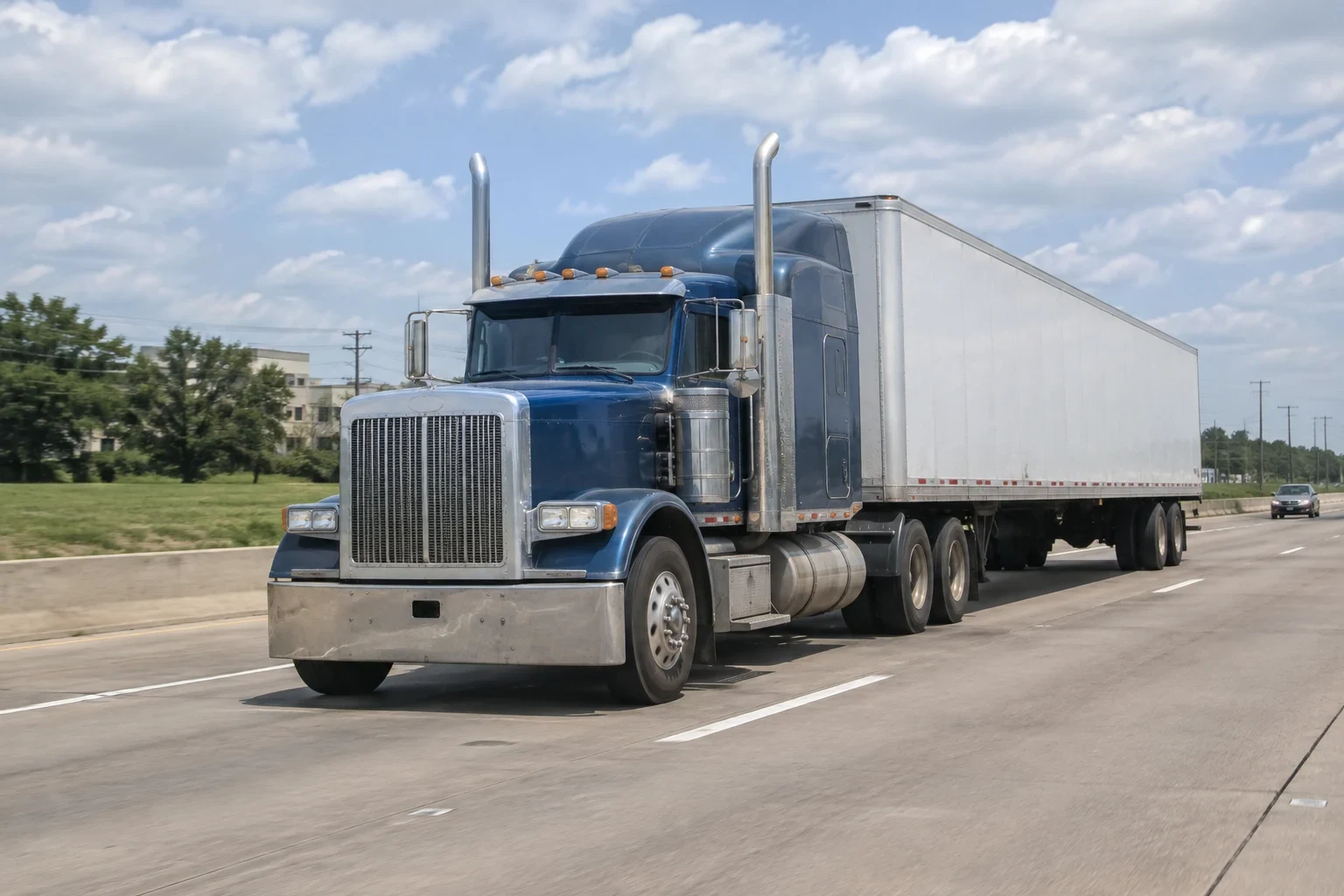
What this coverage does for your operation
If your truck hits a car, a guardrail or a person, primary auto liability is the policy that pays the other side. It covers bodily injury and property damage you are legally responsible for while operating under your own authority. It does not fix your own truck. That is physical damage insurance, a separate policy.
Federal rules set a $750,000 minimum for most for-hire carriers hauling general freight across state lines, and some loads require more. In practice, many brokers and shippers want to see a $1 million limit before they will tender a load. We'll tell you what the law asks for and what your customers will ask for, and those are not always the same number.
We are a small office. The person who takes your first call is the one who places the policy, makes your filings and answers when a broker needs a certificate. You won't be passed around.
What we handle with your liability policy
Picking the right insurers
Plenty of companies won't touch a new authority, a dump truck or a hotshot setup. We take your details only to the insurers that write your type of hauling, so you don't sit through a string of declines.
Federal and state filings
An interstate carrier's authority won't go active until a BMC-91X is on file with FMCSA. Carriers running only inside Texas need their filing with TxDMV. We make the filing and confirm it posted.
Certificates of insurance
No broker, shipper or job site wants to load a truck without proof of coverage. We get certificates out and list any certificate holder you name, so paperwork doesn't cost you a load.
Choosing a limit
We go over the federal $750,000 floor, the $1 million limit most brokers expect and the cases where going higher pays off. Your lanes and customers decide it, not a sales pitch.
Fitting it with your other policies
Liability normally runs alongside motor truck cargo insurance and physical damage. We match up start dates and driver lists across them so no gap opens.
When to set up or recheck your liability coverage
You're applying for MC authority
FMCSA won't activate your authority until a liability filing is on record. Start the quote early so you aren't paying on a truck that can't legally haul.
A broker wants a higher limit
If you carry $750,000 and the good loads keep going to carriers with $1 million, find out what the higher limit actually adds to your premium.
Your renewal went up with no explanation
A jump like that almost always traces back to something specific. It might be a recent claim, a ticket on a driver's record, someone you added, or insurers tightening up across the board. We'll find the reason and see what can be done.
You're adding trucks or drivers
Every new truck and driver has to be listed on the policy correctly. If a driver is missing from the schedule, a claim involving that driver can be denied.
You got a cancellation or nonrenewal notice
When the policy stops, so does the filing, and your authority can be revoked. Call us the day that notice arrives, long before the end date.
How getting covered works
- 1
A phone conversation
We ask for your DOT number and MC authority, what you haul, your usual radius and who drives. Keep your driver list and any loss runs close by.
- 2
We shop your operation
We take your details to the insurers that fit how you run. If anything in your history will draw questions, you hear it from us on the phone first, not as a surprise down the road.
- 3
We go over the quotes with you
We lay out each quote's limit, deductible terms, coverage and exclusions next to each other. Then we talk through the differences in plain words.
- 4
Policy, filings and certificates
When you've made your pick, we put the coverage in force, file with FMCSA or TxDMV and get certificates to your brokers. After that, the same person keeps handling your changes and renewals.
What drives the price of your liability coverage
Of all the coverages on a truck, liability tends to cost the most, since it answers for what you might owe someone else after a wreck. Underwriters weigh two things: the odds of a claim and how big it could be. These are the points they study hardest.
- Who is behind the wheel
- Drivers with clean MVRs and several years holding a CDL pull the price down. A recent ticket, an at-fault accident or a driver with little experience pushes it up.
- How long your authority has been active
- A fresh MC authority costs more because the insurer has no track record to judge. Pricing often softens after a year or two of running without claims.
- Freight and radius
- Long runs and heavy or high-risk commodities cost more than short local hauls. Underwriters ask what you carry and how far you go almost before anything else.
- How high a limit you choose
- Raising your limit to the level many brokers ask for does add premium, though usually less than carriers expect. We price both limits so you can see the gap for yourself.
- Inspections, CSA scores and loss runs
- Insurers pull your safety scores, roadside inspection results and claims history. Clean inspections on record work in your favor.
What carriers ask us about liability coverage
Something not covered here? (972) 736-5773
How does primary auto liability fit into commercial trucking insurance?
It's one part of the larger package. Commercial trucking insurance covers the full set of policies a carrier might carry, like liability, cargo and physical damage. Primary auto liability is the piece the law requires, and your filings depend on it.
How much liability coverage do I actually need?
For most interstate for-hire carriers hauling general freight, federal rules set the minimum at $750,000. Many brokers and shippers won't tender a load to you below $1 million, and some hazardous freight requires more. We pick the limit based on the loads you really plan to run.
I'm leased onto a carrier. Do I need this policy?
Usually not. The motor carrier you're leased to typically provides primary liability while you're under its dispatch. What you likely need is non-trucking liability, also called bobtail, which covers you when you drive for personal reasons. Read us your lease on the phone and we'll tell you which policy fits.
How long do the filings take to show up?
We send the filing as soon as the policy is bound. It normally shows in the FMCSA system within a few business days, though sometimes it takes longer. We keep checking until it posts so your authority isn't left waiting.
Does this cover damage to my own truck or the freight?
No. Liability only pays for harm you cause to other people and their property. Damage to your own truck falls under physical damage insurance, and the load falls under motor truck cargo insurance. We can quote both during the same call as your liability.
Let's get your liability lined up
Have your DOT number and driver list handy, and we'll talk through limits, filings and what your brokers expect. You'll keep working with the same person after the policy is in place.