ServicesTrailer Interchange Insurance
Trailer Interchange Insurance in Farmers Branch
When you haul a trailer or chassis that belongs to another company, your interchange agreement makes you answer for any damage to it. We build trailer interchange coverage around the terms of that agreement, and one person handles your file from the first quote to the last certificate.
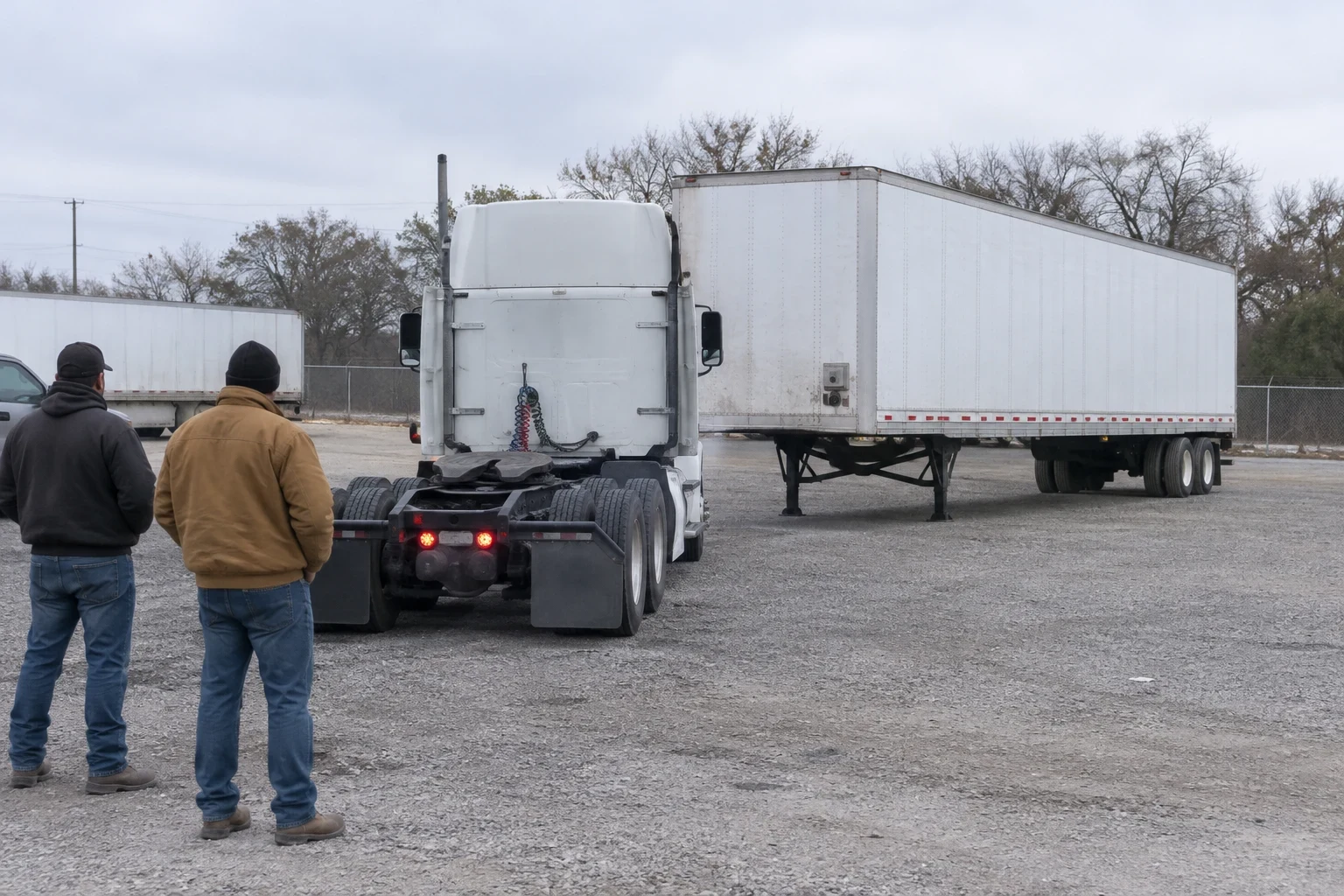
What trailer interchange coverage does
This coverage protects a trailer that belongs to someone else while you're responsible for it. That includes losses like collision, fire, theft and vandalism. It turns on the paperwork: there has to be a written trailer interchange agreement between you and whoever owns the trailer, whether that's another motor carrier or an intermodal equipment provider.
The freight inside isn't part of it. That's motor truck cargo insurance. Neither is injury or damage you cause to others on the road. That's primary auto liability insurance. Interchange covers one narrow thing: the box or chassis hooked behind your tractor that somebody else owns.
We're a small office. The person who picks up your call is the one who reads your agreement, builds your quote and sends out your certificates. Nobody hands you off.
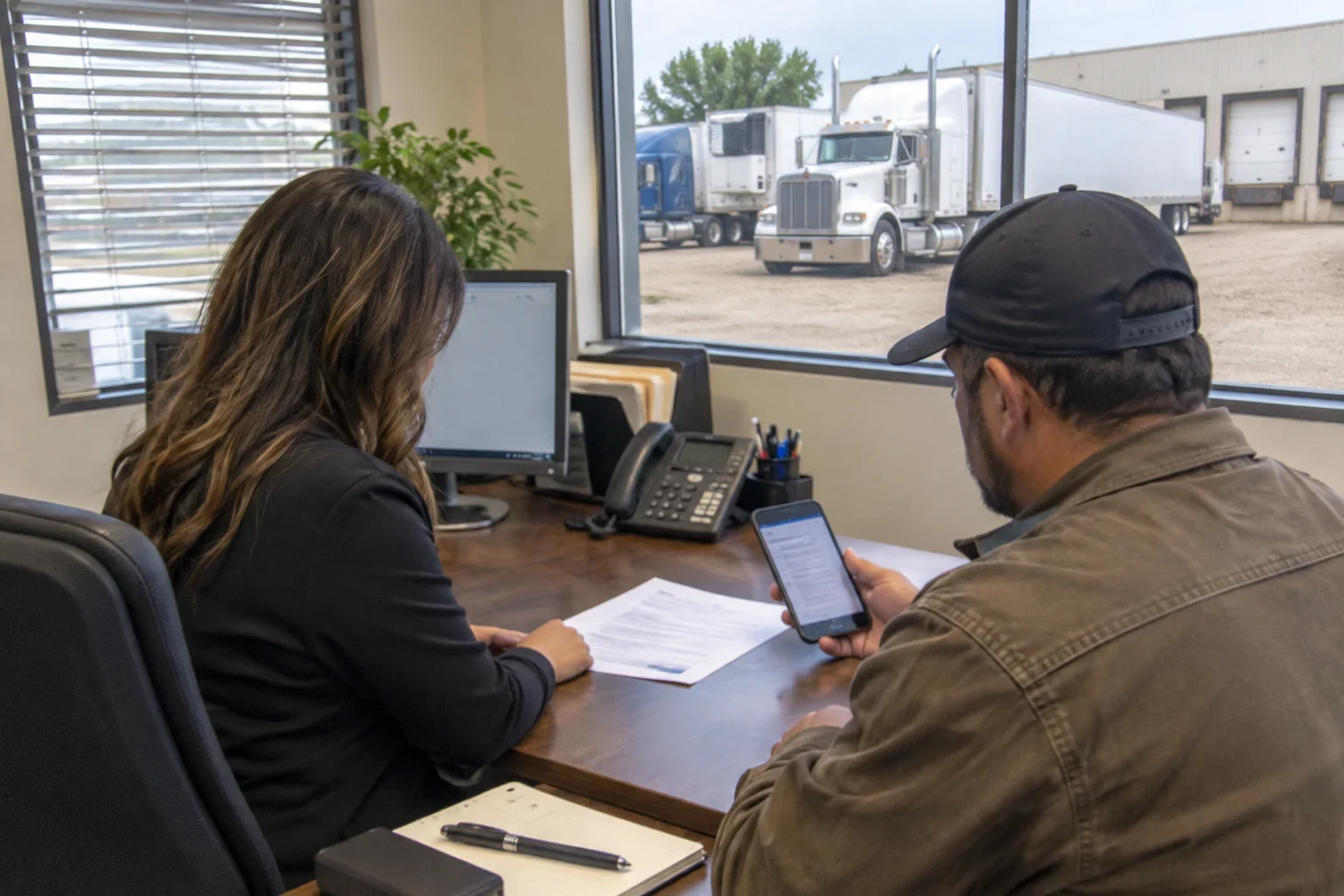
What we handle on an interchange policy
- 01
Reading your agreement
We go through the actual interchange agreement, not a summary of it. We look at the per-trailer limit it requires, who it names and which losses it puts on you.
- 02
Setting the right limit
Your limit should be high enough for the most expensive trailer you might get. A reefer is worth more than an aging dry van, so we build the limit around the equipment you really haul.
- 03
Choosing a deductible
We show you how moving the deductible up or down changes your premium, and what you'd owe yourself after a loss.
- 04
Certificates and filings
The trailer owner or equipment provider wants proof before you roll out the gate. We get them a certificate of insurance worded the way they want it, and if they send it back, the same person who wrote it makes the fix.
- 05
Fitting it with your other coverage
Interchange sits alongside your liability, cargo coverage and the physical damage insurance on your own truck. We make sure the pieces don't double up or leave a gap.
Questions about Trailer Interchange Insurance?
Call(972) 736-5773Signs you need trailer interchange insurance
Someone handed you an interchange agreement
If a carrier or equipment provider asks you to sign one, they will also ask for proof of coverage. Don't haul their equipment until it's in place.
You run intermodal drayage
Rail ramps and ports usually require interchange coverage before you can pull a container chassis out of the gate. Drayage work around Dallas-Fort Worth is a common reason carriers call us about it.
You swap trailers with other carriers
Relay and trailer-swap setups put you in charge of equipment you don't own. A written swap agreement usually calls for interchange coverage.
A certificate request lists it by name
When a broker or partner asks for trailer interchange on your certificate, they mean this coverage specifically. Non-owned trailer coverage may not satisfy them.
Your current limit is too low
If you've moved into higher-value equipment, an old limit can leave you paying the difference after a loss.
How we set it up
- 1
Phone or video call
We talk about your operation: what you haul, whose trailers you pull and where you run. Keep your DOT number and MC authority close by.
- 2
Send us the agreement
We go through the interchange agreement and write down the limit it requires, any deductible rules and the exact certificate wording.
- 3
Quote and walk-through
We shop the coverage, then go over the quote with you one line at a time. Before you decide, you'll know what's covered and what's left out.
- 4
Policy in force, proof sent
When you say yes, we put the policy in force and get proof of coverage over to the trailer owner. After that, we're still your contact for changes, new agreements and claims.
What moves the price of interchange coverage
Your premium mostly comes down to how much trailer value you're on the hook for and how the insurer sees the work you do. We explain why your number is what it is, not just what it is. These are the things that usually push it one way or the other.
- Per-trailer limit
- The more trailer value you insure, the higher the premium. We set the limit off your agreement and the equipment you really pull, so you aren't paying for value you'll never be handed.
- Kind of trailer
- A reefer, a flatbed and a container chassis are each worth different amounts and get damaged in different ways. Insurers price them differently.
- Your deductible
- Raise the deductible and the premium drops. The tradeoff is a bigger check from you when a trailer gets hurt.
- Driver records and past claims
- Insurers pull your drivers' motor vehicle records and look back at your claims. A clean record works in your favor, and a recent trailer damage loss will likely raise the number.
- Work type and radius
- Local port and rail drayage gets rated one way. Long runs swapping trailers across several states get rated another.
Trailer interchange questions
What's the difference between interchange and non-owned trailer coverage?
Interchange is built around a signed agreement between you and the company that owns the trailer. Non-owned trailer physical damage is for trailers you pull with no such agreement, like borrowing one for a single load. Some contracts will only accept one of the two. Go over yours with us by phone or video and we'll tell you which one it calls for.
Does it cover the load in the trailer?
No. This policy is for the trailer itself. Freight falls under motor truck cargo insurance, and we can quote both on the same call.
My truck runs under another carrier's authority. Should I buy interchange myself?
That comes down to what your lease says. Some motor carriers cover interchange for the owner-operators signed on with them, and others make the driver buy it. Pull out your lease and walk through it with us on a call, and we'll point to the section that settles it.
What limit should I carry?
Begin with the number your agreement asks for. Then picture the priciest trailer you could end up pulling. If that trailer is worth more than the agreement minimum, carrying a higher limit is worth considering.
Who do I deal with if a trailer gets damaged?
You call us, and you reach the same person who put your policy together. We help you get the claim reported to the insurer and tell you what happens next. The insurer's adjuster decides what gets paid.
Got an interchange agreement on your desk?
Send it our way and we'll talk it through. One person handles your quote, your certificate and any questions after.